
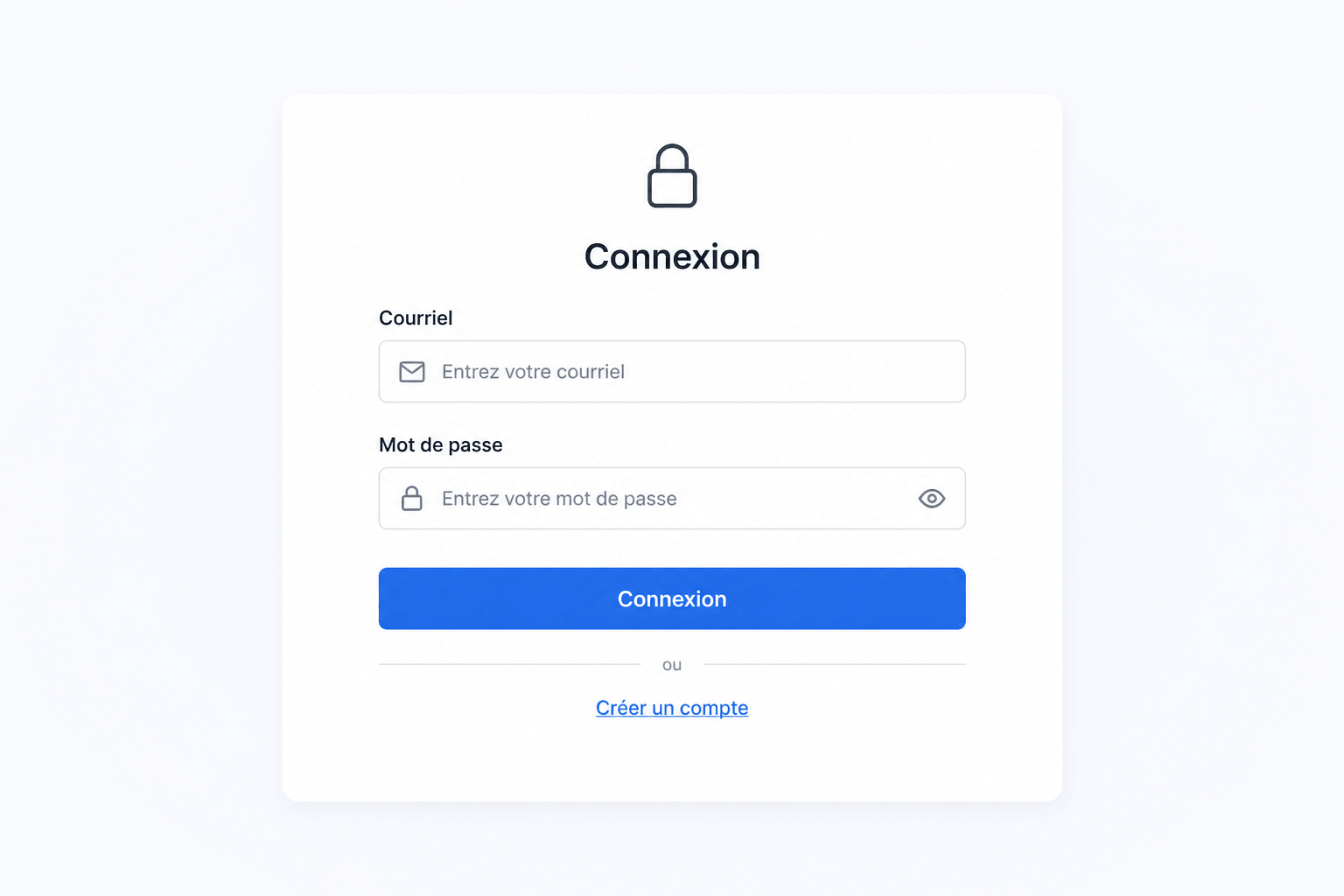
A Habit We Rarely Question
Passwords have been part of our digital lives for so long that we almost never stop to think about them anymore. We use them to log into computers, check emails, access files, and connect to work platforms. It has become second nature.
But if we take a step back, one simple question comes to mind: how long have we been relying on this exact method… without fundamentally changing it?
Over the years, technology has evolved, digital usage has exploded, and cyber threats have become far more sophisticated. Yet passwords themselves have remained surprisingly similar in both form and function. That’s where the disconnect begins to show.
A Solution Designed for a Different Time
Originally, passwords solved a simple problem: preventing unauthorized access to a standalone system. Back then, computers were rarely connected to external networks, data moved slowly, and users had limited access to systems and applications.
Today, the reality is completely different.
We now rely on dozens of cloud-based applications, accessible from anywhere, across multiple devices, with sensitive data constantly in motion. The security perimeter has expanded dramatically, but the primary method used to access it has barely evolved.
Over time, we tried to improve passwords by making them more complex or by adding layers such as multi-factor authentication. Those changes certainly helped, but they also introduced more friction without fully solving the underlying issue.
The Hidden Cost of Lost Time
Beyond security concerns, there’s another aspect that often goes unnoticed: time.
In a normal workday, passwords slow down more things than we realize. Someone forgets a login, resets an account, searches for the correct credentials, or waits for a verification code. Individually, these moments feel insignificant. Combined together, they create a measurable loss of productivity.
This issue is rarely tracked directly, but its impact is very real. Passwords no longer affect only security — they quietly add friction to everyday operations.
From a Security Perspective, the Model Is Aging Poorly
What we see from a productivity standpoint is also true in cybersecurity: the password model is struggling to keep up.
Modern cyberattacks no longer rely primarily on guessing passwords. Instead, they exploit user behavior and the authentication process itself. Fake login pages have become incredibly convincing, compromised credentials circulate widely online, and some techniques can even bypass additional verification layers.
The problem is no longer simply about password strength. It’s about the nature of passwords themselves. A password remains a piece of information that can be shared, intercepted, stolen, or reused.
A Security Model That Depends Too Much on People
Passwords rely almost entirely on human behavior. Users are expected to create strong passwords, avoid reusing them, update them regularly, and store them securely.
In reality, maintaining all those habits over time is difficult.
Eventually, people simplify things. They reuse variations, rely on memory shortcuts, or adopt workarounds to stay efficient in their daily tasks.
That isn’t necessarily carelessness. It’s a natural reaction to a constant constraint. And that is precisely where the model starts to show its limits.
A Transition That Started More Than 10 Years Ago
What’s interesting is that alternatives have existed for quite some time. The shift toward passwordless authentication is not new.
For more than a decade, technologies such as Windows Hello, authentication apps, and security keys have gradually been introduced into modern work environments.
The technology itself is ready. As is often the case, habits simply take longer to change.
Simpler and More Natural Ways to Authenticate
Passwordless approaches are not designed to complicate access. In many cases, they actually simplify it.
Instead of memorizing information, users authenticate with something more direct: biometric recognition, a trusted device, or a quick approval prompt. This reduces unnecessary steps, minimizes mistakes, and creates a smoother experience overall.
It may seem like a small shift, but it changes both security and usability in meaningful ways.
What About Small and Mid-Sized Businesses?
In many SMBs, passwords are still deeply embedded in daily operations, often because they feel familiar and easy to manage.
Over time, however, this creates tangible challenges: heavier access management, increased support requests, and a growing dependence on users to maintain strong security practices.
Without requiring a complete infrastructure overhaul, gradually adopting modern authentication methods can significantly reduce those operational burdens while improving overall security.
Rethinking a Long-Standing Habit
Passwords are not inherently bad. They have simply become disconnected from today’s reality.
Over time, they turned into an automatic habit rather than a deliberate technological choice. We continue using them largely because they are familiar — not necessarily because they are still the best option.
Rethinking this habit is not only about improving security. It’s also about simplifying everyday work and adapting to the way people actually operate today.
Where Should You Start?
If you’re looking to modernize your authentication methods or better understand today’s passwordless options, the specialists at Mon Technicien already help organizations transition toward simpler, more secure, and more efficient environments adapted to modern realities.
 in your taskbar.